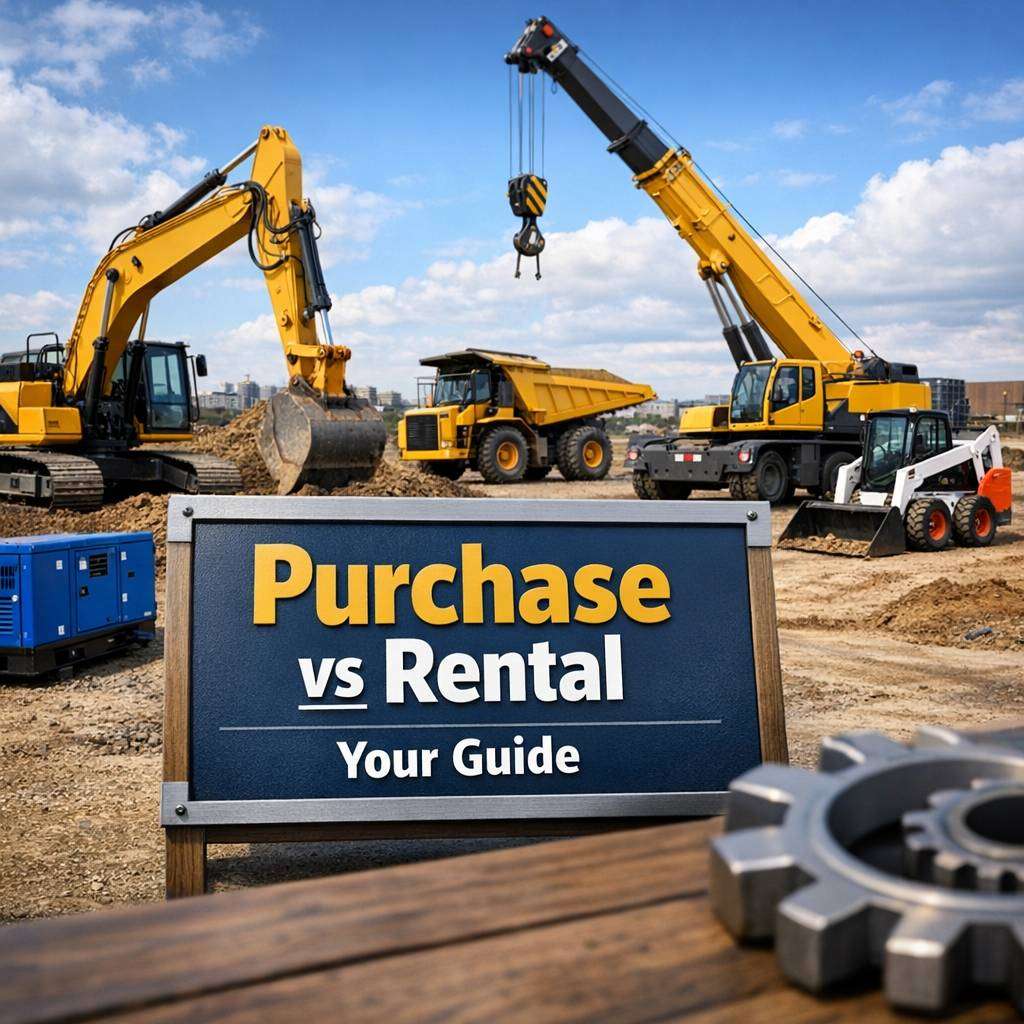
In the construction industry, reliable plant and machinery are the backbone of project delivery. Whether you are expanding a fleet, upgrading to more efficient models, or simply looking for cost-effective options, understanding the full spectrum of purchase and rental solutions is essential. This guide demystifies the process, offering practical insights for buyers and operators alike, with a focus on quality, compliance, and total cost of ownership.
The Landscape: Buying vs Renting Plant & Machinery
Choosing between purchase and rental hinges on several factors: project duration, capital availability, maintenance responsibilities, and fleet strategy. Purchasing plant and machinery sales typically suits long-term needs, warranty protections, and asset depreciation planning. Conversely, rental solutions provide flexibility for short-term spikes in demand, access to the latest models, and reduced maintenance overheads.
In the UK market, buyers often balance these considerations by adopting a mixed fleet strategy: acquire core assets through plant machinery sales, while employing short-term rental for peak workloads, specialist units, or pilot project testing. This approach helps optimise uptime, control cash flow, and mitigate the risk of asset underutilisation.
https://www2.education.vic.gov.au/pal/plant-and-equipment-management/procedure/4-controlling-plant-and-equipment-risks Our plant & machinery rental and sales solutions deliver reliable, well-maintained equipment, competitive pricing, and expert support for safe operations across projects, ensuring productivity, compliance, and minimal downtime for every construction site.
If you’re sourcing reliable plant & machinery, look no further. Our fleet features excavators, loaders, and cranes for hire or sale, backed by expert service and flexible terms. For competitive rates and a trusted partner in equipment, visit https://www.sjhallplant.com to compare options. Your project’s efficiency starts with the right machinery and support.
Sourcing: Used Plant Sales UK and Beyond
For many organisations, used plant sales UK channels offer compelling value. Reputable dealers curate stock that passes rigorous mechanical inspections and complies with current safety standards. When evaluating used plant for sale, a structured due diligence process is essential:
- Confirm provenance and maintenance history: Request service records, hydraulic system logs, and any major component replacements.
- Inspect wear parts and critical interfaces: Check undercarriage wear on excavators, blade condition on loaders, and hydraulic seals on booms.
- Verify compliance: Ensure the unit has up-to-date LOLER certificates, safe access platforms, and emission standards appropriate for the site.
- Assess residual value and total cost of ownership: Compare purchase price, anticipated maintenance, insurance, storage, and resale prospects.
The market for plant and machinery sales has matured to offer certified pre-owned units, rebuilds, and warranty-backed options. When shopping for second hand plant and machinery for sale, working with a trusted supplier is as important as the price itself.
Product Categories: What to Consider
- Excavators and loading shovels: Critical for earthworks, grip strength, reach, and hydraulic efficiency influence productivity.
- Dumpers and haulage: Payload capacity, travel speed, and steering geometry determine site logistics performance.
- Material handling: Telehandlers, forklifts, and stacking conveyors support vertical and horizontal material movement.
- Skid steer loaders and compact machinery: Versatility in tight spaces often yields high utilisation on mixed-site tasks.
- Road and site clearance: Cold planers, breakers, and crushers expand on-site capabilities without external dependencies.
When evaluating plant equipment, consider technical specifications (engine power, hydraulic flow, operating weight), compatibility with attachments, and service network coverage. For rental prospects, verify that the provider offers the equipment you need with prompt support, flexible terms, and maintenance plans.
Maintenance and Compliance: Keeping Equipment Mission-Ready
Whether you own or rent, maintenance is non-negotiable. A robust maintenance regime reduces unplanned downtime and extends asset life. Key components of a sound maintenance strategy include:
- Regular servicing schedules aligned with manufacturer guidelines.
- Preventative inspection routines for hydraulic, electrical, and braking systems.
- Immediate remediation of wear and tear on critical components.
- Clear ownership of maintenance duties for rented equipment, typically defined in the rental agreement.
- Compliance checks for site-specific regulations, including emissions, noise, and operator safety training.
Safety should be integrated into every step. Operators should hold current qualifications, and plant equipment should be equipped with effective guarding, warning devices, and load indicators where applicable. Reputable plant equipment suppliers often provide operators with training resources and onboarding support to maximise site safety and productivity.
Financial Considerations: Total Cost of Ownership
A comprehensive view of total cost of ownership (TCO) goes beyond the headline price. Elements to model include:
- Acquisition price or rental rate, including any preparatory charges.
- Depreciation and tax treatment for purchased assets.
- Maintenance and parts costs, plus potential third-party service agreements.
- Insurance, fuel efficiency, and potential downtime costs.
- Storage, transport, and eventual disposal or resale value.
For those engaged in plant and machinery sales, transparent pricing and clear terms are critical. For buyers, negotiating favourable maintenance schedules and bundled service packages can significantly influence long-term cost efficiency. For renters, seek terms that include routine servicing, swift swap options for faulty units, and clear escalation paths for support.
Risk Management: Due Diligence and Documentation
Limit risk with thorough documentation and checks before any commitment. Key documents include:
- Proof of ownership and serial numbers matched to the asset.
- Current LOLOL or LOLER certificates where required, and service history.
- Warranty terms for used plant equipment for sale or refurbished units.
- Rental agreements outlining duration, included services, and conditions for return or replacement.
- Insurance certificates and operator qualifications.
Informed buyers often perform a site audit to match the project’s workload with asset capabilities. This reduces the likelihood of investing in equipment that sits idle or underperforms on site.
The Buyer’s and Operator’s Playbook
- Start with a needs assessment: Define scope, project duration, and performance requirements.
- Shortlist a mix of options: Used plant for sale assets for core operations, supplemented by flexible rental units for peak periods or specialist tasks.
- Engage with reputable suppliers: Evaluate after-sales support, parts availability, and technician response times.
- Plan for lifecycle management: Schedule inspections, upgrades, and timely disposals to maintain fleet efficiency.
- Build a procurement strategy that aligns with risk tolerance and financial objectives.
The right combination of purchase and rental solutions can deliver remarkable value. By leveraging used plant sales UK channels for core capabilities and relying on dependable rental partners for variability, organisations can maintain high productivity while controlling costs.
If you are exploring second hand plant and machinery for sale or seeking plant equipment for a forthcoming project, partnering with a trusted expert in plant machinery sales and rental can streamline decision-making, reduce downtime, and optimise your fleet for long-term success.
FAQ: Plant & Machinery
What is included in plant & machinery?
Plant & machinery refers to the heavy equipment used on construction sites, such as excavators, loaders, cranes, bulldozers, and associated attachments and tools required to perform construction, demolition, or earthmoving tasks.
Do you rent or sell plant & machinery?
We offer both options. You can rent (short-term or long-term) or purchase new and used plant & machinery depending on your project needs and budget.
What factors should I consider when choosing plant & machinery to rent or buy?
Consider project scope, load/capacity requirements, operating weight, reach and height, power source (diesel, electric, hybrid), access to site, maintenance responsibilities, uptime guarantees, and safety features.
What are the typical rental terms for plant & machinery?
Terms vary by model and supplier but commonly include daily, weekly, and monthly rates, per-hour usage on certain machines, delivery and collection, operator availability (if required), maintenance responsibilities, and insurance requirements.
Do you provide operators for plant & machinery?
Yes, we offer qualified operators for most equipment types. If you already have operators on site, we can provide machine-only hire. If you need training, we can include onboarding and safety briefings.
What safety certifications are required for operating plant & machinery?
Operators usually need relevant training and certification (e.g., CPCS/NPORS in some regions, manufacturer-specific training). Our equipment includes safety features and we provide site-specific risk assessments and briefings.
What maintenance and servicing are included?
For rentals, routine maintenance and service checks are typically included or offered as an add-on. For purchases, maintenance plans can be arranged to keep machines in optimal condition.
What consumables and fuel policies apply?
Fuel policies vary: some rentals include fuel, others require you to refuel and return with the same level. Consumables like hydraulic oil and attachments are typically the customer’s responsibility unless covered by a service plan.
How do I arrange delivery or collection of plant & machinery?
We arrange delivery and collection services based on your site location, access requirements, and downtime constraints. Provide site details, desired delivery window, and any access restrictions to receive a quote.
What documentation will I receive with plant & machinery?
You’ll receive a detailed contract or rental agreement (if renting) or purchase agreement (if buying), safety and operating manuals, maintenance records, and any warranty information. For rentals, a handover checklist and risk assessment may be provided.
What warranties are available?
New equipment typically includes manufacturer warranties. Used or pre-owned machinery may come with limited warranties or an optional extended warranty or service plan. We can tailor warranty options to your needs.
Are there any hidden fees I should know about?
Common potential fees include delivery/collection charges, fuel, maintenance or service charges, late returns, and special attachments. We strive to provide transparent pricing with a clear quote.
How do I finance plant & machinery purchases?
We offer financing options such as loans, leases, or hire purchase arrangements. Our team can connect you with finance partners and help you assess total cost of ownership.
Can you assist with site assessments and compatibility?
Yes. We conduct site surveys and assess ground conditions, access routes, and power availability to ensure the chosen plant & machinery is suitable for your site.
How do I request a quote?
Provide details about the equipment type, model preferences, rental duration or purchase budget, delivery location, and any operator or service needs. We’ll respond with a detailed quote.
What if I need support during a project?
Our customer service and technical support teams are available to assist with equipment issues, operator questions, maintenance scheduling, and return or exchange processes as needed.