
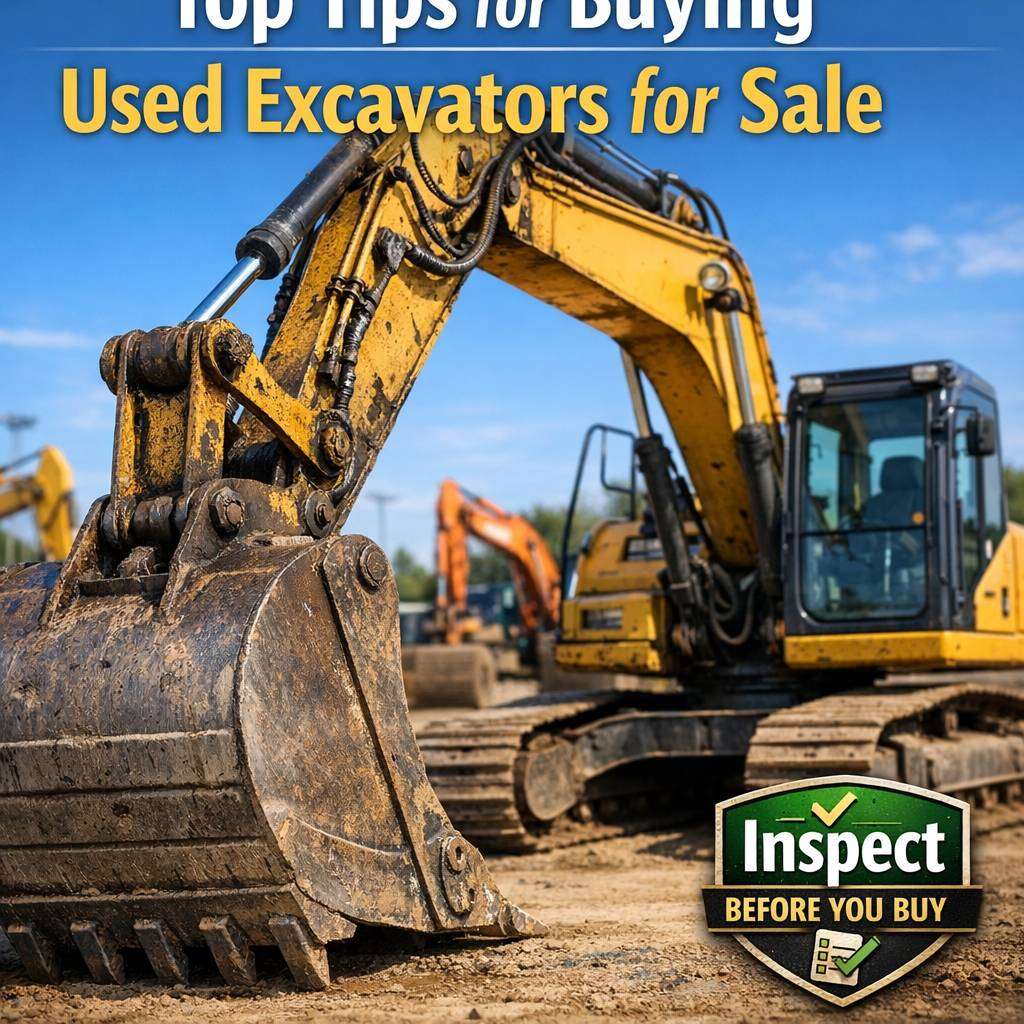
If you’re in the market for a reliable excavator and want the best value for money, buying used can be a smart move. Whether you’re after an excavator for sale for a one-off project or a longer-term hire-to-buy solution, the right used machine can save you a significant chunk of capital while still delivering solid performance. In this guide, I’ll walk you through the essentials—what to look for, common pitfalls, and practical checks—so you can buy with confidence.
Understanding Your Requirements
Before you inspect any used mini excavator or larger model, start with a clear brief. Ask yourself:
- What tasks will the machine perform (digging depth, reach, clawing power)?
- What site conditions will it operate in (soft ground, rocky soil, confined spaces)?
- What are your operator needs (ergonomics, controls, visibility)?
- What is your budget and total cost of ownership (maintenance, parts, fuel efficiency)?
Having precise requirements helps you focus on machines that truly fit your operation and prevents you from paying over the odds for features you won’t use.
Inspect the Engine and Hydraulics
The engine and hydraulic system are the heart of any excavator. When you’re looking at used excavators for sale, pay close attention to these areas:
- Oil and coolant: Check for milky oil (a sign of coolant leakage) or discoloured coolant, which can indicate head gasket issues or cooling system problems.
- Leaks and hoses: Look for oil, fuel, or hydraulic fluid leaks around the engine, hoses, and pins. Leaks can indicate wear or impending failure.
- Hydraulics: Check for smooth operation of the booms, sticks, and buckets. Sudden jerks, excessive play, or slow response can indicate worn hydraulic pumps or damaged internal components.
- Under-load tests: If possible, run the machine through a range of motions with a load to assess responsiveness and pressure. Listen for unusual noises or whining from the pump.
A used mini excavator should still perform with precise control and steady hydraulics. If you notice rough idling, smoking, or excessive exhaust, it may be a red flag.
Check the Undercarriage and Structure
The undercarriage is often where a lot of wear shows up, especially on larger machines or those used on rough sites:
- Tracks or undercarriage components: Inspect for worn sprockets, chain wear, cracks, or missing track pads. Excessive wear can be costly to repair.
- Rollers and idlers: Look for movement or play that could indicate bearing wear.
- Boom and arm: Check for cracks, weld repairs, or bent components. A compromised structure may be expensive to fix and could reduce stability.
- Pins and bushings: Excessive play in joints suggests wear and may lead to poor digging accuracy and increased maintenance.
On a used excavator for sale, tight, smooth operation with minimal play in the joints is a good sign. If you notice bent booms or welded repair marks, investigate further or walk away.
Examine the Operational Panel and Controls
User-friendly controls and a clear display can save time and reduce operator fatigue:
- Instrument panel: Ensure key gauges (engine temperature, oil pressure, hour meter) are readable and functioning. A high hour count isn’t automatically bad if the machine has been well maintained, but you’ll want evidence of proper care.
- Joysticks and pedals: They should move smoothly without sticking or excessive backlash. Check for continuous operation in all directions during a test run.
- Safety features: Verify seat belt, ROPS (Roll-Over Protective Structure), and any camera or warning systems operate correctly.
- Service history: A well-documented service log, regular oil changes, and hydraulic filter replacements are good signs. Look for records of recent alternator, battery, and fuel system checks.
For a used excavator, a clean, well-kept interior and clear diagnostics are indicators of a machine that has been looked after.
Investigate the Track Record and Maintenance History
A robust maintenance history can be as valuable as the machine’s current condition:
- Service intervals: Confirm the frequency and type of maintenance performed. Regular maintenance reduces the risk of hidden faults.
- Repairs and replacements: Note any major components replaced (engine rebuild, hydraulic pumps, tracks). Ask for receipts or a verifiable maintenance report.
- Usage history: Ask for the previous owner’s job type and hours worked per week. High utilisation with light maintenance can point to potential wear issues.
- Certification and test: If buying second hand excavators, request a recent load test or a diagnostic report. This provides objective data on performance.
If the seller cannot provide thorough documentation, proceed with caution or request a provisional warranty or return option.
Plan a Structured Test Run
A test run is one of the most telling parts of the inspection. Consider these steps:
- Start-up and warm-up: Ensure the engine starts easily and idles smoothly. A hard start may indicate battery or fuel system issues.
- Digging test: If feasible, perform a digging task representative of your typical job. Observe breakout force, bucket curl speed, and control sensitivity.
- Retraction and transport: Check how easily the machine moves between positions and its manoeuvrability on site. Listen for unusual sounds when operating at full reach.
- Operator comfort: If you’ll provide training for staff, ensure the cab layout works for your operators and that visibility is adequate.
For smaller used mini excavators, a quick, practical test can confirm whether it’s comfortable and precise enough for your crew.
Budgeting for Ongoing Costs
Finally, factor in ongoing costs beyond the purchase price:
- Maintenance and parts: Used machines will require ongoing servicing. Budget for routine checks, filter changes, and potential wear parts.
- Fuel efficiency: Compare fuel consumption across options to estimate running costs on long projects.
- Warranty options: Some dealers offer limited warranties on used excavators for added peace of mind. It can be worth paying a touch more for warranty coverage, especially if you’re buying second hand excavators.
If you’re weighing excavators for sale versus renting, remember that a well-chosen used machine can deliver substantial savings and dependable performance. Take your time with inspections, demand thorough documentation, and test the machine under realistic conditions.
By following these steps and focusing on the key elements—engine and hydraulics, undercarriage, controls, maintenance history, and a solid test run—you’ll be well positioned to buy a dependable used excavator that fits your needs. Whether you’re after an used mini excavator or a larger, more capable model, doing your due diligence now pays dividends in reduced downtime and smoother project delivery.
Looking for reliable excavators for sale to power your next project? Our wide selection includes versatile, fuel-efficient models suitable for heavy lifting and precise trenching. Each machine is backed by maintenance-ready parts and expert support to minimize downtime. Whether you need compact options for urban sites or larger units for open-terrain work, we have you covered with competitive pricing and flexible financing. For more details, see our offerings at https://www.sjhallplant.com.