
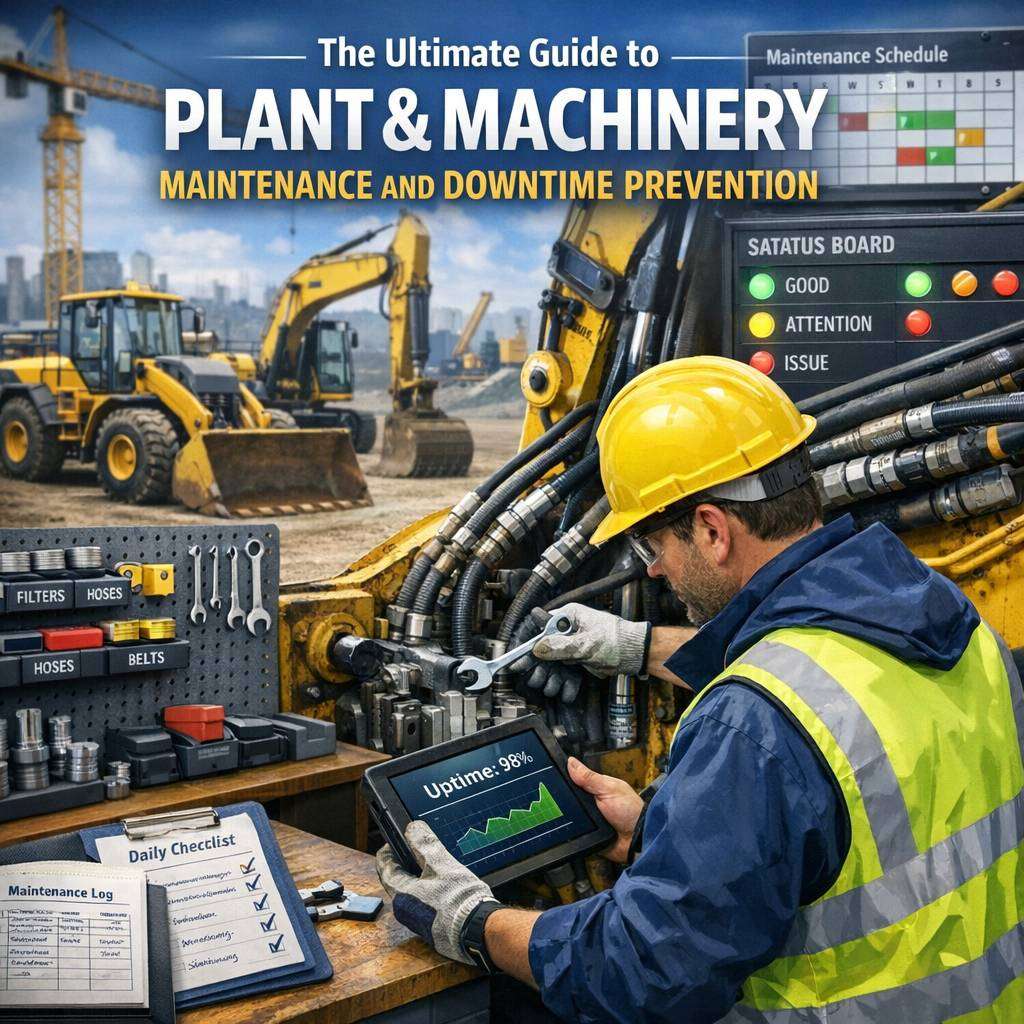
In the world of construction, the reliability of your plant equipment is non-negotiable. Downtime not only hampers productivity but can also inflate costs and extend project timelines. This guide, written by an expert in plant and machinery, offers practical strategies to maintain your heavy plant machinery, optimise use of second hand plant machinery, and minimise downtime across your fleet. Whether you operate new or used plant machinery, the principles remain the same: prevent failures, plan maintenance intelligently, and keep your machines running when it matters most.
The importance of a robust maintenance culture
A proactive maintenance culture starts with clear responsibility and scheduled routines. Assign a dedicated maintenance manager or rely on a trusted contractor for regular checks. Emphasise that preventative maintenance is cheaper than reactive repairs. For organisations dealing with used plant sales or managing a mixed fleet of plant equipment, a centralised maintenance log helps track service intervals, part replacements, and inspection findings across all items of machinery and plant.
Creating a practical maintenance schedule
Develop a maintenance calendar that aligns with manufacturer recommendations and real-world usage. Key elements include:
- Regular inspections before and after shifts to catch wear and damage early.
- Adherence to service intervals for filters, fluids, and critical components.
- A risk-based approach prioritising high-wear items such as hydraulics, tracks or tyres, braking systems, and cooling components.
- A system for recording service work, parts replaced, and any notes on performance.
When dealing with second hand plant machinery or used plant machinery, it’s crucial to verify the maintenance history. A well-documented history makes it easier to plan future servicing and to estimate total cost of ownership.
Looking for reliable plant & machinery solutions? We offer a wide range of rental and purchase options to suit any project, from compact excavators to heavy lifting equipment. Our flexible terms and competitive rates keep your site running smoothly. For up-to-date availability and expert support, visit https://www.sjhallplant.com and explore our inventory today. We pride ourselves on safety, uptime, and tailored service for every construction site.
Optimising fuel, fluids, and consumables
Efficient use of fuel and proper fluid management can significantly reduce downtime and extend component life. Implement measures such as:
- Regularly monitoring fuel quality and water separation in tanks.
- Schedule changes for hydraulic oil and coolant based on operating conditions.
- Keeping spare filters and seals on hand to minimise downtime during routine service.
- Checking battery health and electrical connections to prevent unexpected failures.
For heavy plant machinery, even small optimisations in fuel routes, idle times, and loading cycles can translate into meaningful savings and reduced wear.
Discover reliable plant & machinery solutions for construction projects. Our fleet includes excavators, loading shovels, and access platforms, backed by flexible rental options and skilled support. From risk management to maintenance plans, we cover every stage of your project. For trusted resources, https://www.jcbinsurance.co.uk/.
Preventive maintenance versus predictive maintenance
Preventive maintenance relies on fixed intervals, while predictive maintenance uses data to forecast failures before they occur. A hybrid approach can be highly effective:
- Collect data from telematics, on-board diagnostics, and operator reports.
- Use trend analysis to identify components approaching end-of-life or showing abnormal performance.
- Schedule maintenance based on actual condition rather than calendar time where feasible.
If you are sourcing used plant sales or managing a mixed fleet, predictive insights help you prioritise work on the most critical machines, reducing the risk of unplanned downtime.
Fleet management and asset tracking
A modern fleet management system helps you monitor utilisation, uptime, and service status for each machine. When you manage plant equipment across multiple sites:
- Track hours of operation and duty cycles to align maintenance with usage.
- Monitor idle times to improve scheduling of maintenance windows.
- Use barcoding or RFID tagging to quickly access maintenance histories during site visits.
For organisations dealing with second hand plant machinery, a transparent asset ledger is essential for regulatory compliance and for maintaining resale value. It also aids in planning future procurement—whether you’re expanding with more used plant machinery or upgrading with newer equipment.
Managing worn components and common failure modes
Understanding typical failure points for heavy plant machinery can help you prioritise inspections:
- Hydraulics: monitor for leaks, degrading seals, and unusual pressures.
- Drivetrain and transmissions: listen for noises, check for excessive heat, and inspect gears and axles.
- Cooling and lubrication: ensure radiators, fans, and coolants operate within limits; check oil levels and quality.
- Electrical systems: inspect wiring, starts/stop systems, and battery health.
- Structural wear: check booms, frames, and attachments for cracks or deformation.
For used plant sales, pay particular attention to the age, service history, and any signs of past overloading or repairs. A diligent assessment helps you avoid purchasing equipment with hidden downtime liabilities.
Operator training and daily checks
Well-trained operators are the first line of defence against downtime. Implement a standard pre-operation checklist covering:
- Visual inspection for leaks, cracks, and loose components.
- Functional tests of controls, alarms, lights, and safety interlocks.
- Verification of fluid levels, tire or track condition, and safety devices.
Pair training with ongoing refreshers on best practices for loading, idling, and shutting down equipment. A skilled operator can notice subtle performance changes that flag potential issues early.
Spares strategy: stock and supplier relationships
Having the right parts on hand reduces downtime when components wear out or fail. Consider:
- Building a critical spares list tailored to your most-used machines.
- Establishing relationships with reputable suppliers for fast access to parts, whether you operate new plant machinery or second hand plant machinery.
- Using manufacturer-approved or equivalent quality parts to preserve reliability.
If you are dealing with both used plant machinery and newer equipment, a mixed-spares approach can be efficient, ensuring common parts are stocked across your fleet.
Downtime prevention through data and audits
Regular audits help identify bottlenecks in maintenance workflows. Track metrics such as:
- Mean Time Between Failures (MTBF)
- Mean Time To Repair (MTTR)
- Planned versus unplanned maintenance ratio
- Availability and utilisation rates
Leverage data to optimise maintenance windows, scheduling, and procurement. With plant & machinery data, you can justify investments in improved monitoring, predictive analytics, or extra spares.
Sustainable maintenance and lifecycle planning
Extend the operational life of your fleet by considering lifecycle costs:
- Replacing or reconditioning components before failure.
- Evaluating total cost of ownership for used plant sales versus new purchases.
- Planning end-of-life strategies, whether through refurbishment, resale, or replacement with newer plant equipment.
Sustainable maintenance also reduces waste and downtime, supporting longer intervals between major overhauls and enabling more predictable project planning.
If you’re evaluating options for expanding or updating your fleet, the market for used plant machinery and second hand plant machinery remains robust. With thorough maintenance practices, intelligent scheduling, and proactive spares management, you can keep machinery and plant working at peak efficiency, ensuring projects run to time and budget.