
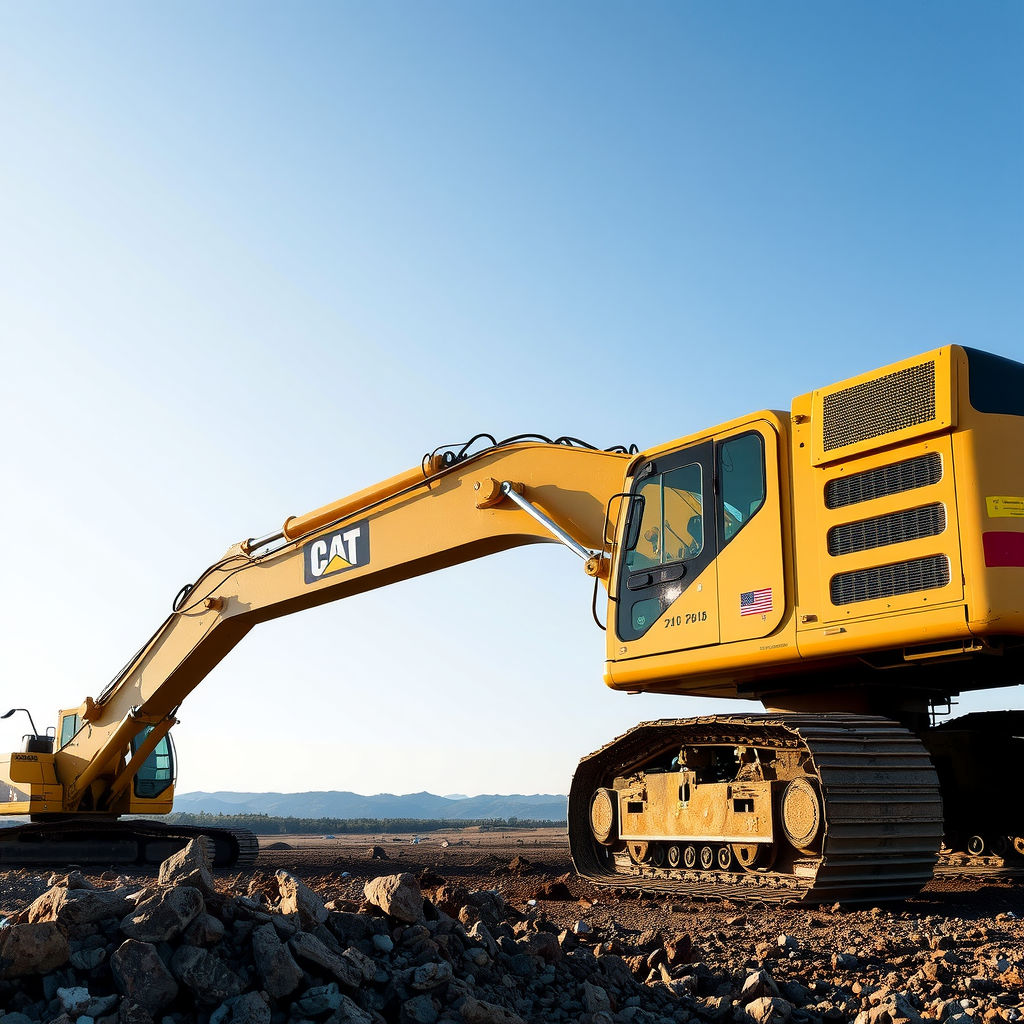
Purchasing an excavator is a significant investment for any construction business, whether you are looking at new models or considering used options. It is crucial to navigate the purchasing process with a clear understanding of what to consider to ensure you make an informed decision. This guide aims to provide valuable insights for buyers looking for excavators for sale, particularly focusing on used mini excavators and second-hand excavators.
Looking for reliable and efficient heavy machinery? Our range of excavators for sale is perfect for any construction project. We offer various models that suit your specific needs, ensuring productivity and ease of use. Explore our offerings and discover the best options by visiting our excavators for sale.
Assessing Your Needs
Before exploring the market for excavators, it’s essential to determine your specific requirements. Understanding the type of projects you will be undertaking will help you establish the capacity and size of excavator necessary for your operations. Consider factors such as:
- Project Scale: Are your projects generally large-scale or do you primarily engage in smaller tasks?
- Terrain Type: Will you be working on rough terrains or flatter sites? The choice of excavator may vary significantly based on the terrain.
- Job Specifications: Certain tasks require specific attachments or capabilities such as digging, lifting, or grading.
By assessing these aspects, you will be better prepared to narrow down your selection and identify the right excavator, whether you’re looking for new models or exploring the availability of used mini excavators or second-hand excavators.
New vs. Used Excavators
The choice between new and used excavators will largely depend on your budget and operational needs. New excavators come with the latest technology, improved fuel efficiency, and warranty coverage. However, they can be significantly more expensive and may not always be necessary for businesses that do not require cutting-edge features.
On the other hand, the market for used mini excavators and second-hand excavators can offer fantastic value. When considering used models, however, it is vital to conduct thorough research. Ensure you assess the machine’s history, including hours operated, maintenance records, and any previous damage. It’s also advisable to arrange for an inspection from a qualified technician to evaluate the machine’s condition.
Key Features and Specifications
When reviewing excavators for sale, pay close attention to the key features and specifications that will impact your choice:
-
Operating Weight: This provides insight into the capacity of the excavator and its ability to handle heavy tasks. Ensure the weight aligns with your requirements.
-
Arm Length and Dig Depth: These specifications determine how effectively the machine can perform specific tasks. Longer arms and deeper dig capabilities are advantageous for certain job sites.
-
Track Type: Consider whether a wheeled or tracked excavator suits your needs. Tracks offer better traction on uneven surfaces, while wheels might be better for flatter, more stable terrain.
-
Attachments: Some excavators come equipped to handle various attachments, including buckets, augers, and grapples. Ensure that the model you are considering can accommodate the attachments necessary for your projects.
Operating Weight: This provides insight into the capacity of the excavator and its ability to handle heavy tasks. Ensure the weight aligns with your requirements.
Arm Length and Dig Depth: These specifications determine how effectively the machine can perform specific tasks. Longer arms and deeper dig capabilities are advantageous for certain job sites.
Track Type: Consider whether a wheeled or tracked excavator suits your needs. Tracks offer better traction on uneven surfaces, while wheels might be better for flatter, more stable terrain.
Attachments: Some excavators come equipped to handle various attachments, including buckets, augers, and grapples. Ensure that the model you are considering can accommodate the attachments necessary for your projects.
Researching Manufacturers and Models
The reputation of the manufacturer plays a crucial role in your excavator purchase. Renowned brands are often synonymous with quality, reliability, and excellent support services. Research different manufacturers, looking into customer reviews and the longevity of each brand’s equipment to help inform your decision.
It’s also important to compare different models within the same brand to see which aligns best with your needs. Familiarise yourself with user experiences regarding fuel consumption, ease of use, and overall performance to gauge how each model might fit into your operation.
Financing and Budget Considerations
Establishing a clear budget is essential before embarking on your search for excavators for sale. Understand all associated costs, ranging from purchase price, insurance, and maintenance, to potential financing options. Many companies offer financing plans tailored for purchasing heavy machinery, which allows you to spread payments over time.
When exploring used mini excavators or second-hand excavators, it is important to account for any refurbishment costs, as well as future upkeep. You may find it beneficial to work with a financial advisor or someone with industry experience to fully comprehend your budget implications.
The Importance of Testing Before Purchase
Always request a demonstration of the excavator, particularly when considering used models. This allows you to assess functionality and performance in real-time. While testing, pay attention to how the machine handles under different conditions and listen for any unusual noises that could indicate underlying problems.
During a test drive, try several operations to see how smoothly the excavator functions. This hands-on experience can be instrumental in making a decision and will give you a clearer sense of the machine’s overall condition and reliability.
Warranty and After-Sales Support
Lastly, inquire about warranty options and after-sales support. For new excavators, manufacturers typically provide warranties that cover parts and service for a specific period. When considering used excavators, check if any warranties are transferable.
A reputable seller should also offer committed after-sales support, including service options and the availability of spare parts. This can significantly enhance your peace of mind, knowing that assistance is readily available if issues arise post-purchase.
By engaging with this comprehensive guide, you are well equipped to navigate the purchasing process of excavators, ensuring that your investment aligns seamlessly with your operational needs and budget constraints. Whether you are buying new, or exploring the market for used mini excavators or second-hand excavators, diligence and research are your best allies in making a wise choice.